
Understanding Gold Purity Requirements for IRAs
I’ve reviewed countless Gold IRA setups over my 25 years in this business, and purity requirements cause more confusion than almost any other aspect. The IRS has clear rules about which gold qualifies for retirement accounts, but I still see investors making expensive mistakes by buying metals that don’t meet standards.
The IRS requires gold to be at least 99.5% pure (0.995 fineness) to qualify for IRAs. There’s one major exception: American Gold Eagles are allowed despite being only 91.67% pure. Understanding these rules prevents costly errors that could disqualify your entire account.
The U.S. retirement system holds $18.9 trillion in IRA assets, but only 0.5-1% sits in precious metals. Most investors don’t realize that gold purity standards exist to prevent collectibles abuse and ensure retirement accounts hold legitimate investment-grade bullion.
Buy the wrong gold, and you’ve violated IRS rules before you even start. The metal gets classified as a collectible, triggering immediate taxation and penalties. Your custodian should catch this, but ultimately, you’re responsible for ensuring your metals qualify.
I’ll break down exactly what fineness means, which products qualify, how certification works, and the step-by-step process for ensuring compliance. By the end, you’ll know precisely which gold belongs in your IRA and which doesn’t.
Learn how Gold IRAs work and avoid compliance mistakes that cost investors thousands.
What Does .999 or .995 Fineness Mean?
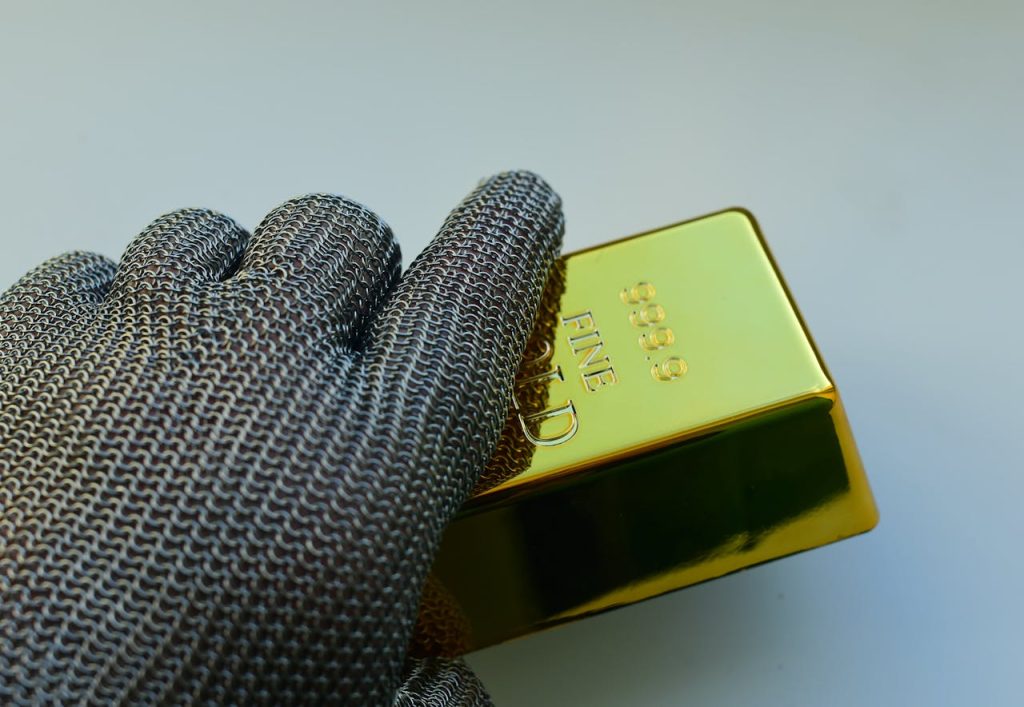
Fineness expresses purity as parts per thousand. A fineness of .995 means 995 parts pure gold per 1,000 parts total material. The remaining 5 parts are trace elements or alloying metals.
This differs from karat measurements commonly used for jewelry. 24-karat gold is essentially pure (99.9%+), while 22-karat is 91.67% pure, 18-karat is 75% pure, and so on. IRAs use fineness standards because they’re more precise than karat measurements.
Understanding Fineness Standards (0.995 vs 0.999)
Gold requires minimum 0.995 fineness for IRA eligibility. Many products exceed this, reaching 0.999 or even 0.9999 (four nines). Canadian Gold Maple Leafs are 0.9999 pure. Austrian Gold Philharmonics are 0.9999 pure. These exceed IRS requirements significantly.
Silver has a higher purity requirement at 0.999 fineness. This 99.9% standard applies to American Silver Eagles, Canadian Silver Maple Leafs, and other IRS-approved silver products.
Bullion standards from major mints typically exceed minimum requirements. Government mints like the U.S. Mint, Royal Canadian Mint, and Austrian Mint produce coins with purity guarantees. Private refiners accredited by organizations like LBMA (London Bullion Market Association) also meet IRS standards.
Hallmarks stamped on bars and coins indicate fineness. You’ll see markings like “.9999 FINE GOLD” or “999.9” on qualifying products. These aren’t just marketing, they’re certification of purity that IRS-approved custodians verify.
The difference between .995 and .999 doesn’t matter for IRA purposes. Both qualify. The higher purity doesn’t provide extra tax benefits or compliance advantages. What matters is meeting the minimum threshold.
Why the IRS Sets Purity Benchmarks
IRC 408(m) prohibits collectibles in IRAs. This section of the tax code prevents people from holding art, antiques, gems, and other collectibles in retirement accounts. Without purity standards, investors could claim rare gold coins as retirement investments when they’re actually collectibles valued for rarity rather than metal content.
Preventing collectibles abuse protects the retirement system’s integrity. The IRS doesn’t want wealthy collectors using tax-advantaged accounts to hold valuable numismatic coins. Purity standards ensure you’re buying gold for its metal value, not its rarity.
Standardization across custodians makes enforcement simple. Every custodian knows the .995 rule. Every approved depository verifies it. This consistency prevents confusion and ensures uniform compliance nationwide.
The risk of prohibited transactions is severe. If you hold collectibles in your IRA, the entire account can be deemed distributed. That creates immediate tax liability on the full balance plus 10% penalties if you’re under 59½.
IRS Gold Purity Rules Explained (IRC 408(m))
IRC 408(m) is the specific tax code section governing precious metals in IRAs. It defines eligible metals and sets purity requirements that custodians must verify. I reference this section constantly when helping investors understand compliance.
Minimum Purity for IRA Gold Bullion
The 99.5% rule applies to gold bars and most coins. This 0.995 fineness threshold separates investment-grade bullion from jewelry, collectibles, and lower-purity products.
Accredited refiners like LBMA and COMEX (Commodity Exchange Inc.) members produce bars meeting IRS standards. These organizations maintain lists of approved refiners whose products automatically qualify for IRAs.
Certification via hallmark is mandatory. Bars must be stamped with purity, weight, and refiner identification. Coins from government mints carry these specifications as part of their legal tender status.
I’ve seen investors try to contribute random gold items to IRAs, old jewelry, inherited coins, even gold-plated items. None of these work unless they meet purity standards and come from approved sources. Your custodian will reject non-qualifying metals.
The American Gold Eagle Exception
The 22-karat American Gold Eagle is specifically allowed by law despite being only 91.67% pure. This exception was written into the law when Congress expanded IRA eligible metals in 1997.
Why the exception exists comes down to U.S. Mint lobbying and the Eagle’s status as legal tender. Congress wanted to promote American-minted coins and created a carve-out for Eagles despite their lower purity.
Debunking confusion around this exception is part of my job. Some investors assume any 22-karat gold qualifies because Eagles do. That’s wrong. Only American Gold Eagles specifically get the exception. Other 22-karat products like Krugerrands don’t qualify.
The Eagle contains one troy ounce of pure gold despite being 91.67% pure because it’s alloyed to a heavier total weight. A one-ounce Eagle actually weighs 1.0909 troy ounces total. The extra weight is copper and silver alloy.
Coins and Bars That Commonly Qualify
Canadian Gold Maple Leafs at .9999 purity are among the most popular IRA choices. They exceed IRS requirements significantly and trade with low premiums over spot price.
Austrian Gold Philharmonics also at .9999 purity offer another European option. These coins are legal tender in Austria and recognized globally.
U.S. Mint products beyond Eagles include Gold Buffalo coins at .9999 purity. These were introduced in 2006 as America’s first .9999 pure gold coin and qualify for IRAs.
Australian Gold Kangaroos from the Perth Mint at .9999 purity round out the major government-minted options. These coins have strong recognition and liquidity.
Gold bars from LBMA-accredited refiners qualify if they meet .995 minimum purity. Common sizes include 1 oz, 10 oz, and 100 oz bars, though smaller bars offer more flexibility for partial sales.
IRS Publication 590-A and 590-B provide official guidance on eligible metals. These publications list specific requirements and update periodically as regulations change.
CFTC (Commodity Futures Trading Commission) issues advisory guidance on precious metals fraud. While not directly regulating IRAs, their consumer protection warnings help identify scams and non-compliant products.
LBMA accreditation serves as a gold standard for refiner approval. If a bar comes from an LBMA Good Delivery refiner, it meets IRS purity requirements.
Certification, Hallmarks & Custodian Verification
You don’t verify purity yourself. Your IRA custodian and the approved depository handle verification using established protocols and relationships with approved dealers.
Who Confirms Gold Purity?
The custodian’s role includes verifying that purchased metals meet IRS standards. They work with dealers who supply proper documentation proving purity and source.
IRS-approved depositories receive metals and perform additional verification. These facilities know which products qualify and reject anything that doesn’t meet standards.
No home assay kits are allowed for IRA verification. You can’t buy gold, test it yourself, and contribute it to your IRA. The metals must come through approved channels with proper certification.
Dealers providing metals to IRA custodians maintain relationships with approved refiners and mints. They supply certificates of authenticity and purity documentation that custodians and depositories require.
Home Storage & Prohibited Transactions
Some investors want personal possession of IRA gold. This violates IRS rules and triggers severe consequences.
The problem is simple: taking physical possession of IRA assets before retirement age counts as a distribution. The consequence is immediate taxation on the full value plus 10% penalties if you’re under 59½.
The solution is IRS-approved depository storage only. Facilities like Delaware Depository, Brink’s Global Services, and International Depository Services provide secure, compliant storage.
IRS enforcement guidance makes clear that home storage IRAs are illegal. Promoters marketing these schemes face penalties, and investors using them face taxes and fines when caught.
I’ve seen investors lose tens of thousands in taxes and penalties because they fell for home storage promotions. Don’t risk your retirement savings on schemes that violate clear IRS rules.
Avoid costly IRA compliance mistakes by working with established custodians who follow regulations.
Myths About Gold Purity in IRAs
Myth: All .999 gold automatically qualifies for IRAs.
High purity alone doesn’t guarantee eligibility. Collectible coins with .999 purity still don’t qualify if they’re valued primarily for rarity rather than metal content. The IRS excludes collectibles regardless of purity.
Numismatic coins, proof coins in premium condition, and rare vintage gold don’t qualify even if they’re pure gold. These are collectibles subject to different tax treatment.
Myth: Purity rules changed in 2026.
No updates occurred per IRS guidance. The .995 gold standard and .999 silver standard remain unchanged since they were established. Some investors confuse SECURE 2.0 retirement law changes with metals eligibility, but purity requirements stayed the same.
Myth: Personal testing is enough to verify purity.
Only products with official hallmarks from approved sources qualify. You can’t buy random gold, test it yourself, and contribute it to your IRA. The certification must come from recognized mints or refiners with proper documentation.
Home testing kits, even accurate ones, don’t create the paper trail custodians need for IRS compliance. Approved channels with certificates of authenticity are mandatory.
Explore approved Gold IRA options that meet all purity and certification requirements.
Why Purity Standards Matter for Your Retirement Portfolio

Understanding purity requirements protects your retirement savings from disqualification and helps you make informed allocation decisions.
Market Growth & Demand Context
U.S. gold demand hit 679 tons in 2025, up 140% year-over-year. This surge reflects growing interest in precious metals as inflation hedges and portfolio diversifiers.
The precious metals market represents roughly $565 billion globally. Gold IRAs capture a small but growing slice of this market as more investors discover the option.
Average IRA investments range from $35,000 to $100,000 based on what I see with clients. This represents meaningful diversification within the recommended 5-15% precious metals allocation.
Premiums over spot price typically run 5-10% for popular IRA-eligible coins like Eagles and Maple Leafs. These premiums cover minting costs, distribution, and dealer margins. Larger bars often carry lower percentage premiums.
Compliance as Risk Management
Buying non-eligible metals creates serious problems. The IRS treats this as holding collectibles in your IRA, which violates prohibited transaction rules.
The consequence is account disqualification. The entire IRA balance becomes immediately taxable. If you’re under 59½, add 10% penalties on top. A $100,000 Gold IRA could trigger $30,000-40,000 in taxes and penalties.
The solution is working with vetted custodians who only source approved metals. Established custodians have relationships with authorized dealers and won’t accept non-qualifying products.
IRS regulation consistency means these rules don’t change frequently. The .995 gold standard has been in place for decades. You can build your IRA strategy knowing these requirements remain stable.
Step-by-Step: How to Ensure Your Gold Meets IRA Purity Rules
I walk investors through this process to guarantee compliance from the start.
Step 1: Open a self-directed IRA with a qualified custodian.
Choose one specializing in precious metals who understands purity requirements and has established dealer relationships.
Step 2: Work with the custodian’s approved dealers.
Don’t buy gold independently and try to contribute it. Let the custodian coordinate purchases through their authorized dealer network. Here’s a list of top rated gold IRA companies.
Step 3: Select from pre-qualified products.
Your dealer will show you options that meet IRS purity standards. Stick to these rather than requesting custom or unusual products.
Step 4: Verify documentation.
Ensure each purchase includes certificates of authenticity showing purity, weight, and source. Your custodian handles this but you should receive copies.
Step 5: Confirm depository delivery.
The metals ship directly to an IRS-approved depository, never to you personally. You’ll receive documentation showing what you own and where it’s stored.
Step 6: Maintain proper records.
Keep all purchase confirmations, depository statements, and purity certificates. These prove compliance if the IRS ever questions your account.
Open a Self-Directed IRA with a Qualified Custodian
Not all IRA custodians handle precious metals. You need one approved by the IRS to hold retirement accounts and experienced with gold and silver.
I look for custodians with established track records, clear fee structures, and responsive customer service. They should explain purity requirements clearly and have systems to prevent non-qualifying purchases.
U.S.-based custodians must meet IRS approval standards. Banks, trust companies, and specialized self-directed IRA custodians qualify if they’re properly licensed.
Verify Product Eligibility Before Purchase
Your custodian’s approved dealer should only offer qualifying products. But I always recommend confirming the specific items you’re buying meet purity requirements.
Ask to see specifications showing fineness. For coins, verify they’re from approved government mints. For bars, confirm the refiner is LBMA-accredited or COMEX-approved.
Documentation proves eligibility. Legitimate products come with certificates of authenticity, purity statements, and clear identification of the mint or refiner.
Confirm Depository Storage
IRS-approved depositories provide the only legal storage options for Gold IRA assets. Delaware Depository, Brink’s Global Services, and International Depository Services are major facilities.
Storage confirmation should include inventory details showing exactly what you own, where it’s stored, and the serial numbers or lot numbers of your metals.
Insurance coverage protects your holdings against theft or loss. Approved depositories maintain comprehensive insurance, though you should verify coverage limits match your account value.
Get your free Gold IRA kit for detailed guidance on purity requirements and approved products.
Compare trusted Gold IRA providers to find custodians with strong compliance records and clear fee structures.
Why Education-First Guidance Matters
At IRA Gold Kits, we focus on helping investors understand purity requirements before they buy anything. Our mission is preventing costly mistakes through clear, accurate information.
We don’t sell metals directly. We explain the rules, compare providers, and help you make informed decisions. Whether you choose Eagles, Maple Leafs, or bars, we want you to understand why those products qualify.
Our educational comparisons break down purity standards in plain language. We explain the .995 rule, the Eagle exception, and how verification works without overwhelming you with technical details.
Clear affiliate disclosures are important. Some custodians and dealers we feature may compensate us for referrals. We always disclose these relationships so you know when we might benefit from your choices.
Beginner-focused compliance breakdowns help first-time Gold IRA investors navigate complex regulations. We assume no prior knowledge and explain concepts from the ground up.
Request your free Gold IRA information kit for comprehensive details on purity requirements and approved products.
Frequently Asked Questions:
What’s the minimum gold purity required for IRAs?
Gold must be at least 99.5% pure (0.995 fineness) to qualify for IRAs. The one exception is American Gold Eagles, which are allowed despite being only 91.67% pure (22-karat). All other gold products must meet the .995 standard.
Can I contribute 18-karat gold jewelry to my IRA?
No. Jewelry doesn’t meet purity requirements and the IRS classifies it as a collectible. Only investment-grade bullion from approved sources qualifies. Even if your jewelry is pure gold, it can’t be contributed because it lacks proper certification.
Why are American Gold Eagles allowed if they’re only 22-karat?
Congress specifically exempted American Gold Eagles when expanding IRA eligible metals in 1997. This exception applies only to Eagles minted by the U.S. Mint. Other 22-karat coins like Krugerrands don’t qualify.
How do I verify my gold meets IRS purity standards?
Your IRA custodian handles verification by purchasing only from approved dealers who source metals from recognized mints and refiners. You’ll receive documentation showing purity, weight, and source. Don’t buy gold independently and try to contribute it.
What happens if I accidentally buy non-qualifying gold for my IRA?
Your custodian should reject the purchase if it doesn’t meet standards. If non-qualifying gold somehow enters your IRA, it creates a prohibited transaction. The IRS can treat the entire account as distributed, triggering taxes and penalties.
Do higher purity levels provide any IRA advantages?
No. Whether your gold is .995, .999, or .9999 pure doesn’t affect tax treatment or compliance. All that matters is meeting the .995 minimum threshold. Higher purity doesn’t provide extra benefits beyond potentially better resale value.
Can I store IRA gold at home if I buy .999 pure products?
Absolutely not. Storage location is completely separate from purity requirements. All IRA gold must be stored at IRS-approved depositories regardless of purity level. Taking personal possession disqualifies your entire account.
Which products do you recommend for Gold IRAs?
I typically suggest American Gold Eagles, Canadian Gold Maple Leafs, or Austrian Gold Philharmonics. All meet IRS requirements, trade with low premiums, and offer strong liquidity. The choice between them comes down to personal preference since all qualify equally.